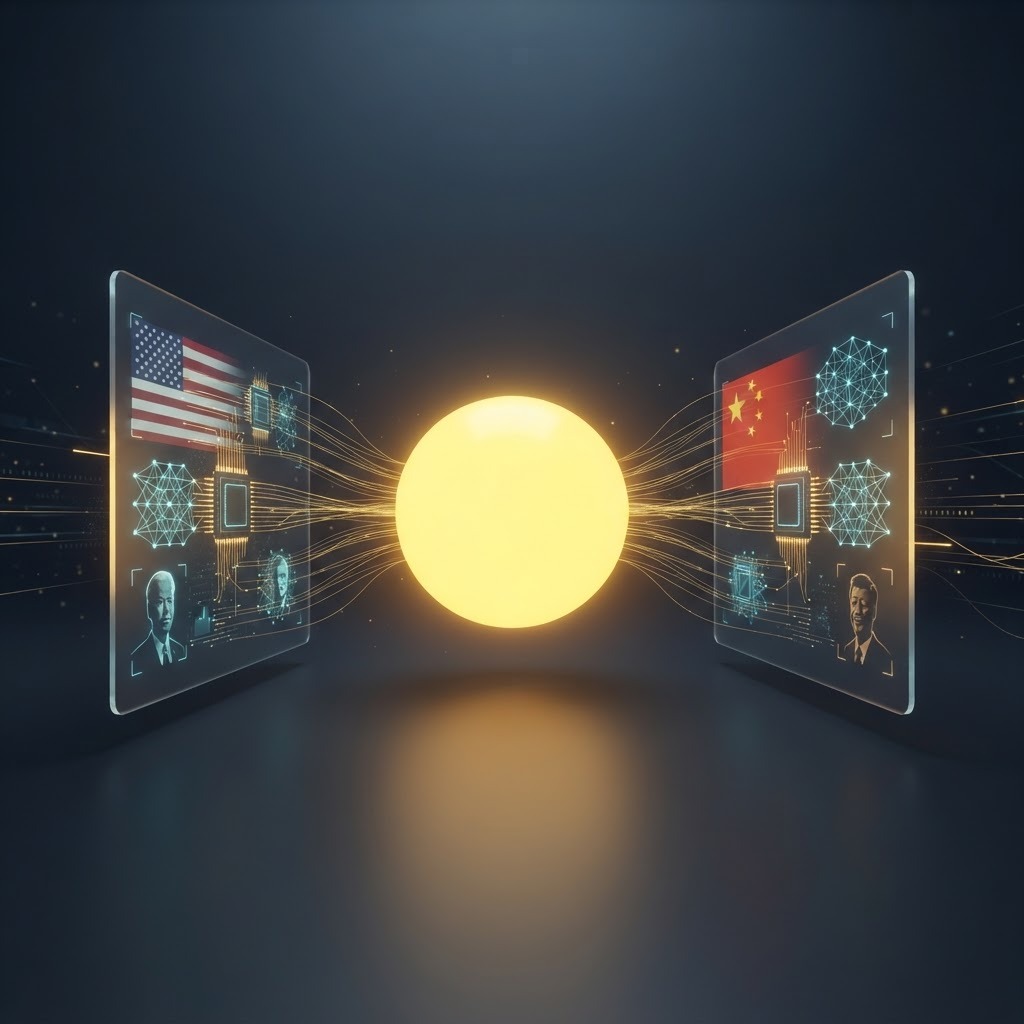
Chinese President Xi Jinping’s three-day visit to Egypt — coinciding with the 70th anniversary of diplomatic relations between the two nations and marking his first trip to the Middle East in four years — has once again highlighted the delicate political balancing act Cairo maintains between Washington and Beijing. While Egypt continues to receive $1.3 billion in annual military aid from the United States, it has simultaneously deepened its economic and military ties with China over recent years. Now, this diplomatic equilibrium faces a new challenge, as Egyptian soil becomes the arena for a strategic competition in the global artificial intelligence race.
The Huawei Deal and the US Countermove
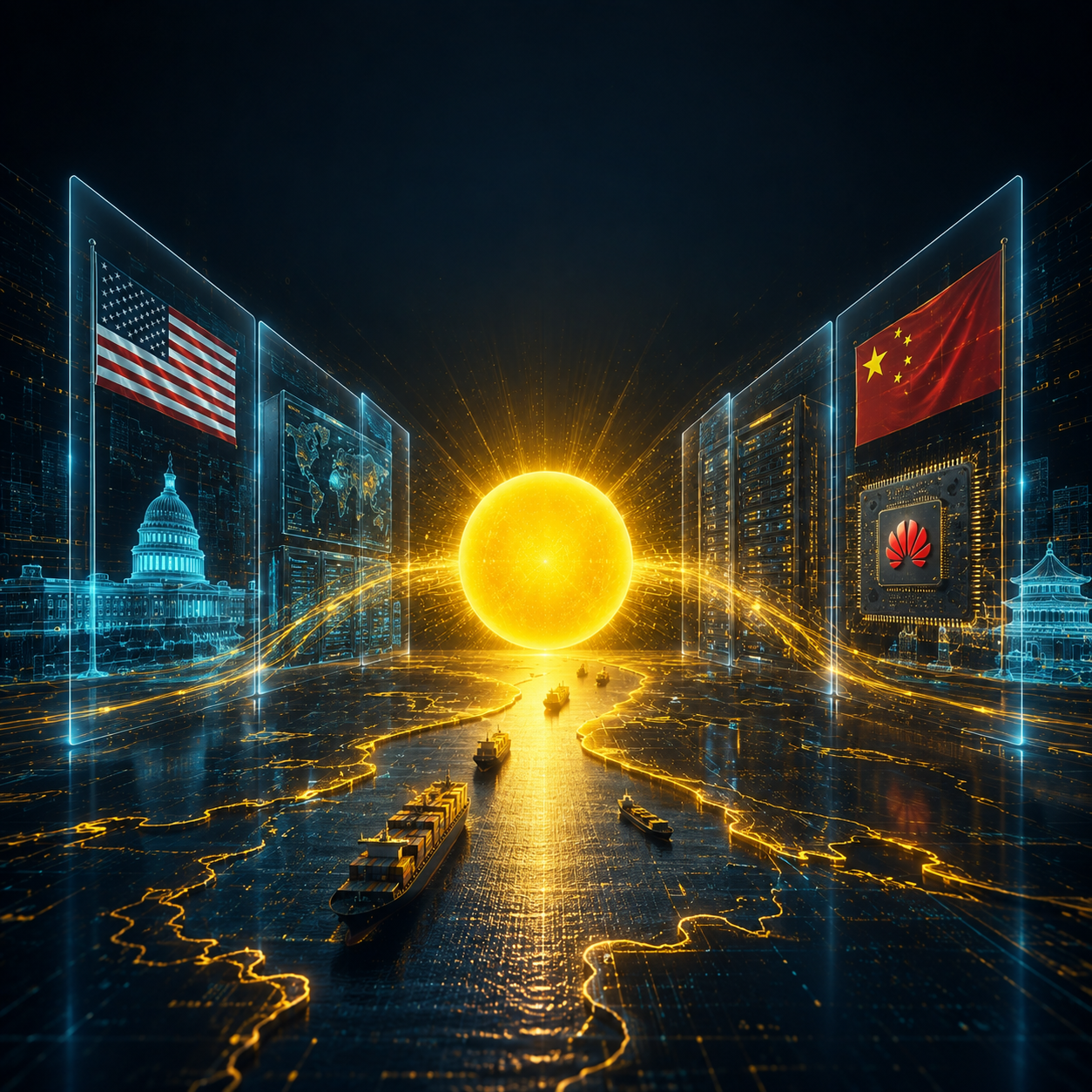
The core of this new rivalry revolves around a proposal by Chinese tech giant Huawei to build two computing complexes in Egypt. According to official documents, Huawei requested 1,408 Ascend 950 processors for AI model training, alongside 600 additional Ascend 950 chips or the older 910B variant, with a 12-month execution timeframe. If implemented, this deal would mark Huawei’s first explicit export of advanced chips beyond China's borders, with the resulting infrastructure being utilized for military, surveillance, and governmental tasks.
In response, informed sources indicate that the US Department of State is drafting a counterproposal involving American tech firms such as Nvidia, AMD, and Microsoft, aimed at preventing Beijing from monopolizing Egypt’s technology market.
Geographic Location and Reasons for Selecting Egypt
Egypt’s selection as a technological hub stems from its exceptional geographical positioning; the country controls the Suez Canal, situated at the crossroads of Africa, Asia, and Europe. Amid regional turmoil and crises in the Straits of Hormuz and Bab al-Mandab, the strategic importance of the Suez Canal as an alternative supply route has multiplied significantly.
China is Egypt's largest trading partner in non-oil goods, with bilateral trade volume reaching approximately $20.7 billion by the end of 2025. Furthermore, the joint China-Egypt Economic Zone on the Red Sea coast (part of the Belt and Road Initiative) has attracted over 200 companies and generated more than 10,000 direct jobs. Mohamed Ramadan, an activist with the Egyptian Initiative for Personal Rights (EIPR), stresses that the competition over data centers is fundamentally a profound contest to collect, route, and manage global data and the future. China holds a strong advantage here due to Huawei’s long-standing presence in the Egyptian market and its competitive pricing relative to US firms.
Environmental and Economic Challenges for Domestic Egypt
Despite its political and technological allure, constructing data centers places a severe strain on Egypt’s environment. These facilities require immense amounts of water and electricity for cooling systems, whereas official government data shows Egypt's annual per capita water share has fallen below 500 cubic meters — half of the United Nations water poverty threshold.
Political analyst Maged Mandour argues that despite the water crisis, the government will allocate the necessary resources for these projects at the expense of public service distribution to other regions of the country. He emphasizes that this agreement is essentially a technology import-export transaction rather than a catalyst for fundamental, sustainable shifts in long-term income and employment for Egypt's large economy.
Ultimately, Cairo stands before a pivotal strategic decision; accepting either proposal transcends a mere infrastructure contract, marking an entry into a new era of political and security alignment that will define Egypt’s global standing for a decade or more.
Egypt Faces a Historic Test: US-China Data Center Race Heats Up

Rebaz Ahmed
Article author